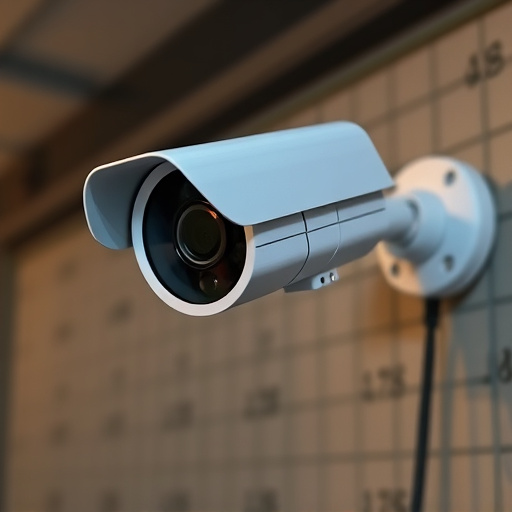
Fake Dome Bullet Cameras offer a discreet, aesthetically pleasing security solution for residential and commercial spaces. With various types available, they cater to different needs: indoor models provide wide-angle views for smaller areas, while outdoor versions feature weatherproof housing and enhanced night vision for larger exteriors. Placement options include wall, ceiling, or pole mounting, allowing customization based on desired field of view and coverage area. These cameras mimic real surveillance equipment with motion detection, night vision, and smartphone app monitoring, providing 24/7 peace of mind. For optimal placement, consider the physical layout, environmental factors, and strategic positioning in high-traffic zones to ensure discreet surveillance and an effective deterrent against unauthorized access. Regular maintenance is crucial for longevity, including cleaning from dust and debris and using durable materials suitable for diverse environments.
In today’s digital era, security is paramount, leading many to explore alternative surveillance solutions. One such option is the fake dome bullet camera, a cleverly designed decoy that mimics real security hardware. This article delves into the specifications and placement considerations of these innovative devices. We’ll explore their design, key features, technical aspects, and maintenance needs, providing a comprehensive guide for those looking to enhance visual coverage without breaking the bank.
- Understanding Fake Dome Bullet Camera Design and Types
- Key Features and Functionality of Dummy Cameras
- Placement Considerations for Optimal Visual Coverage
- Technical Specifications to Look Out For
- Maintenance and Durability: Ensuring Longevity in Fake Surveillance
Understanding Fake Dome Bullet Camera Design and Types
Fake Dome Bullet Cameras are a popular choice for security systems due to their discreet and aesthetically pleasing design, resembling a regular light fixture. This type of camera blends seamlessly into various environments, making it an ideal solution for both residential and commercial spaces. The ‘dome’ design refers to its rounded, protective casing, which houses the lens and imaging sensor.
These cameras come in different types, each with unique features. Some are designed for indoor use only, offering a wide-angle view to cover smaller areas. Others are suited for outdoor applications, featuring weatherproof housing and enhanced night vision capabilities to monitor larger exteriors. The placement of these cameras varies; they can be mounted on walls, ceilings, or poles, depending on the desired field of view and coverage area.
Key Features and Functionality of Dummy Cameras
Dummy security dome cameras offer a unique and creative solution for those seeking to enhance their home or business’s security without the need for extensive wiring or complex installation processes. These fake dome bullet cameras are designed to mimic the appearance of real surveillance equipment, providing an effective deterrent to potential intruders. One of the key features is their versatile placement options; they can be discreetly mounted on walls, ceilings, or even indoors as a decorative piece while still maintaining a high level of security awareness.
Functionally, these dummy cameras provide 24/7 peace of mind. They are equipped with advanced technology that allows them to capture clear and detailed footage, often featuring motion detection and night vision capabilities. The cameras can be easily connected to existing security systems or monitored remotely via smartphone apps, ensuring users can access real-time video feeds from anywhere. This innovative approach to security offers a cost-effective alternative without compromising on quality or performance.
Placement Considerations for Optimal Visual Coverage
When considering Fake Dome Bullet Camera placement for optimal visual coverage, it’s crucial to assess the physical layout of the area you’re monitoring. These cameras are designed to blend into their surroundings as dummies, making them ideal for discretion. Positioning them strategically in high-traffic areas or at entry points can provide comprehensive surveillance without alerting potential intruders. The key is to ensure clear lines of sight and avoid obstructions that might obstruct the camera’s view.
Factoring in environmental considerations, such as natural lighting and obstacles like trees or signage, will help optimize image quality. Mounting them at eye level or slightly elevated ensures a broader field of view, capturing more detail. Additionally, aligning the camera’s lens with the main traffic flow allows for consistent monitoring, making it an effective deterrent against unauthorized access.
Technical Specifications to Look Out For
When considering a dummy security dome camera, it’s crucial to examine its technical specifications. Firstly, look for Fake Dome Bullet Camera Placement – a key feature that mimics real camera positioning. This involves assessing the camera’s design, including its spherical housing and mounting options designed to blend seamlessly with actual security installations.
Additionally, pay attention to resolution (measured in megapixels), field of view (FOV), night vision capabilities (often IR leds), motion detection sensitivity, and storage capacity. These specifications directly impact the camera’s performance, ensuring clear and detailed footage, wide coverage, effective detection during low-light conditions, and ample space for recording.
Maintenance and Durability: Ensuring Longevity in Fake Surveillance
The dummy security dome camera, while designed to mimic the appearance and placement of real surveillance equipment, requires specific care for longevity. Like any electronic device, regular maintenance is key. This includes keeping the camera housing clean from dust and debris, especially if placed in outdoor areas, as dirt accumulation can affect performance and reduce lifespan. A simple cleaning routine using mild soap and water can go a long way in maintaining optimal functionality.
Durability is another critical factor for fake dome bullet cameras. Since these devices are meant to simulate real security equipment, they should be built robustly to withstand various environmental conditions. Look for materials that offer protection against corrosion, UV exposure, and extreme temperatures. This ensures the camera remains functional and intact, even when placed in challenging locations, such as rooftops or exposed walls, where real Dome Bullet Cameras are commonly installed.
In conclusion, fake dome bullet cameras offer a practical solution for surveillance needs without the actual presence of physical equipment. By understanding their design, key features, and optimal placement (like considering Fake Dome Bullet Camera Placement), you can maximize their visual coverage while ensuring durability through proper maintenance. These specifications and considerations make them an efficient and cost-effective alternative in today’s security landscape.